
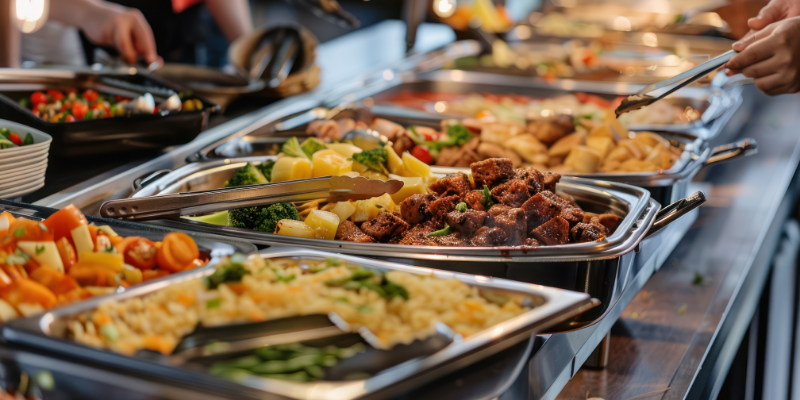
 Singapore’s food service industry serves a Muslim population of approximately 15.6% — around 500,000 people — yet halal certification affects far more than that segment alone. The global halal food market is currently valued at USD 2.86 trillion (PMC/NCBI, 2024), and non-Muslim consumers increasingly seek halal-certified food for reasons tied to hygiene, animal welfare, and clean eating. If you’re planning an event, sourcing a caterer, or simply trying to understand what “halal certified” actually means in practice, this guide covers the complete picture: definitions, preparation rules, Singapore’s certification process, and the dishes most commonly found at halal buffets here.

What Does Halal Actually Mean?
Halal is an Arabic word meaning “permissible” or “lawful.” In the context of food, it refers to anything a Muslim is permitted to consume under Islamic law, as derived from the Qur’an, the Hadiths, and the rulings of Islamic scholars (WebMD, reviewed by Zilpah Sheikh, MD, 2024).
The opposite is haram, meaning “forbidden.” These two categories aren’t just about specific ingredients — they govern the entire lifecycle of food, from how an animal is raised and slaughtered, through processing and packaging, to how food is stored and served. A meal made from individually halal ingredients can still be classified as haram if it was prepared on contaminated surfaces or stored alongside pork products.
For Muslims, eating halal isn’t a dietary preference — it’s a religious obligation. That said, halal food is not exclusive to Muslim consumers. Many people choose it for the humane animal handling standards it requires and the strict hygiene protocols built into certified preparation environments (American Halal Foundation, Mohammad A. Hussaini).
What Is Haram — and Why It Goes Beyond Pork and Alcohol
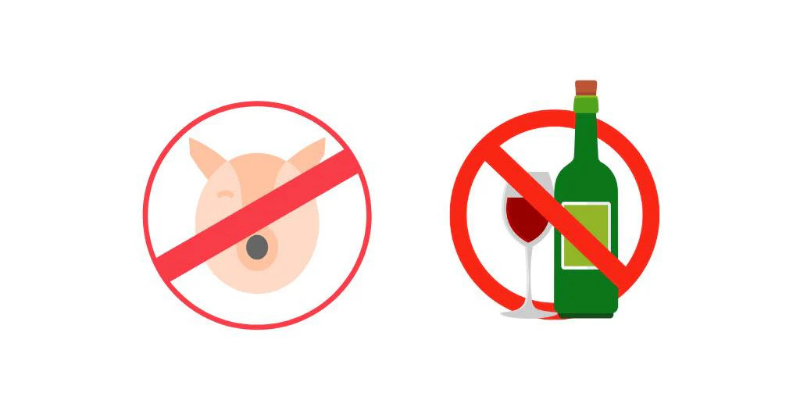
Most people know pork and alcohol are haram. Fewer realise how many common food additives also fall into that category.
The clearly haram food categories are:
- Pork and all pork derivatives (lard, ham, bacon, pork gelatin)
- Alcohol in any quantity — including in cooking, sauces, and vanilla extract made with alcohol
- Blood and blood by-products (blood pudding, black pudding)
- Carnivorous animals and birds of prey
- Amphibians (frogs, salamanders)
- Any animal not slaughtered under halal guidelines
- Insects
The less obvious haram ingredients — the ones that cause compliance failures in catering and food manufacturing — include gelatin derived from non-halal animal sources, animal-based enzymes (lipase, pepsin, rennet), mono and diglycerides from animal sources, sodium stearoyl lactylate (SSL), and L-cysteine. These appear in bread, desserts, dairy products, and processed foods. A single haram additive in a dish renders the entire meal haram, regardless of every other ingredient being compliant (US Foods Halal Guide; NCBI PMC, 2024).
This is precisely why halal certification bodies audit full ingredient lists — not just the protein source.
How Halal Food Is Prepared: The Core Rules
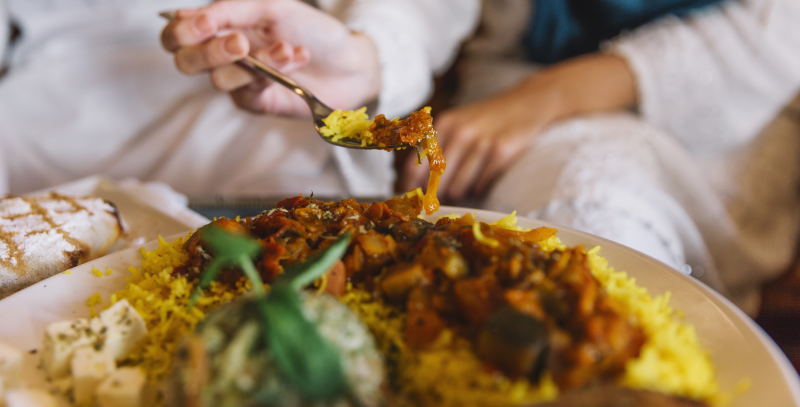
Halal food preparation is governed by rules that apply at every stage: sourcing, slaughter, processing, cooking, and serving.
Halal Slaughter (Dhabihah/Zabihah)
For meat to be halal, all of the following must be met:
- The animal must be slaughtered by a Muslim of sound mind who has reached maturity
- The name of Allah must be invoked at the time of slaughter — typically “Bismillah, Allahu Akbar”
- The animal must be alive and healthy at the time of slaughter
- Slaughter must be carried out with a sharp blade in a single swift motion, severing the carotid artery, jugular vein, and windpipe
- Blood must be fully drained from the carcass before the meat is processed
The purpose is threefold: hygienic purity through complete bloodletting, minimising animal suffering, and fulfilling religious obligation (NCBI PMC, 2024; dpoInternational).
Kitchen and Preparation Rules
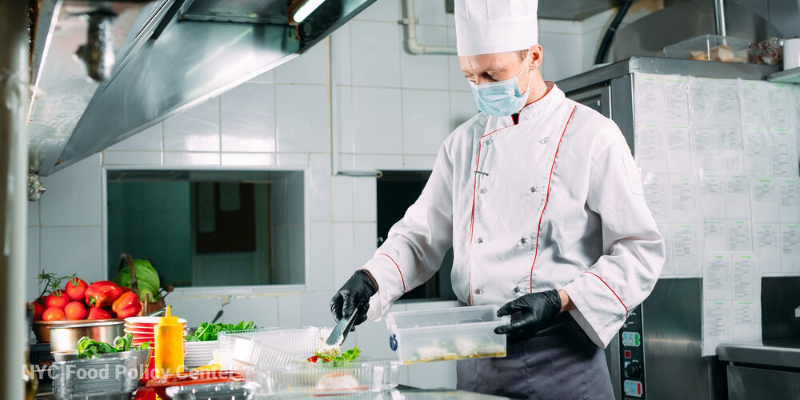
Beyond slaughter, halal food preparation in a commercial kitchen requires:
- Dedicated utensils, chopping boards, prep areas, and cookware for halal food — not shared with non-halal items
- Halal and non-halal meats stored separately, in clearly labelled containers
- Halal meat placed on the top rack when both types are in the same oven (to prevent drip contamination)
- Only vegetable oil used for frying
- Margarine and vegetable-based fats for baked goods — no animal-derived shortening
- Separate serving utensils at the point of service
If equipment has previously been used to prepare haram food, Islamic law requires ritual cleansing (sertu or samak) before it can be used for halal preparation. This applies to production lines, storage facilities, and transport vehicles as well (dpoInternational; WebMD, 2024).
Halal Certification in Singapore: How MUIS Governs It
In Singapore, all halal certification for food businesses is issued by MUIS — Majlis Ugama Islam Singapura (the Islamic Religious Council of Singapore). MUIS operates under two primary standards: MUIS-HC-S001 (General Guidelines) and MUIS-HC-S002, and works alongside the Singapore Food Agency (SFA) under the Sale of Food Act (NCBI PMC, 2024; dpoInternational).
MUIS certification is not a one-time approval. It involves audits of the full supply chain: ingredients, processing facilities, equipment, storage, and staff training. Certification confirms that every stage of production — from raw materials to the finished dish on your plate — meets Islamic dietary requirements.
Across Southeast Asia, each country has its own governing body: Malaysia uses JAKIM, Indonesia uses BPJPH and MUI, Thailand uses CICOT, and the Philippines uses IDCP and IADP. A JAKIM certificate from Malaysia does not automatically satisfy MUIS requirements in Singapore. For event planners sourcing cross-border, verifying the correct national certification matters (dpoInternational).
Intercontinental Catering is MUIS-certified, as confirmed on their FAQ page (incntl.com.sg/faq/). For corporate events, institutional catering, and celebrations where halal compliance is a procurement requirement, working with a MUIS-certified caterer removes the compliance burden from the organiser entirely.
Cross-Contamination: The Risk Most People Overlook
Cross-contamination is where halal compliance most often breaks down in practice — and it’s the factor that catches caterers, event venues, and home cooks off guard.
Even halal-certified meat becomes haram the moment it contacts a haram substance. That can be as simple as using the same tongs for halal chicken that were just used for a non-halal dish, or storing halal and non-halal items in the same refrigerator without proper separation (American Halal Foundation).
For food operators and event planners, the practical requirements are:
- Strict physical separation between halal and non-halal items in storage — clearly labelled areas
- Dedicated utensils and equipment that have never been used for haram food preparation (or ritually cleansed if they have)
- Supplier verification: confirming that ingredient suppliers maintain halal standards throughout their own storage and transport chains
- Awareness of hidden haram additives in processed ingredients — always check the full ingredient list, not just the front-of-pack claim
The NCBI PMC 2024 study identifies misuse of halal certification, contamination during production, and fraud concerning food labelling as among the most common compliance failures globally. For Singapore specifically, MUIS certification addresses these risks through audited standards rather than self-declaration.
Popular Dishes Served at Halal Buffets in Singapore
Singapore’s halal buffet scene draws from the country’s multicultural food heritage, with Malay, Indian, Middle Eastern, and Chinese influences all present on the same spread. These are the dishes you’ll typically find at a well-set halal buffet here:
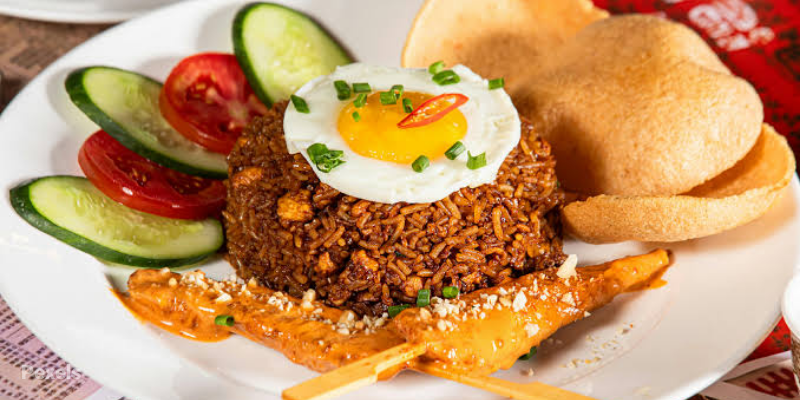
Malay and Southeast Asian staples:
- Nasi Goreng — fried rice with bold spices, egg, and halal meat; cited specifically as taking “centre stage” in Singapore, Indonesia, and Malaysia (US Foods)
- Rendang — slow-cooked dry curry with beef or chicken in coconut milk and spices
- Satay — skewered grilled meat served with peanut sauce
- Mee Goreng — spiced fried noodles with vegetables and protein
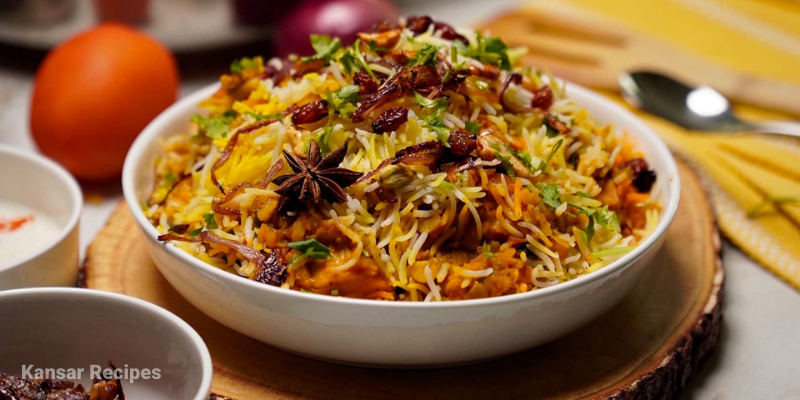
Indian and South Asian dishes:
- Biryani — fragrant layered rice with marinated halal meat, spices, and herbs; one of the most ordered dishes at formal halal buffets
- Samosas — triangular pastries filled with spiced potatoes, peas, or minced meat
- Dhal — spiced lentil curry, a standard vegetarian accompaniment
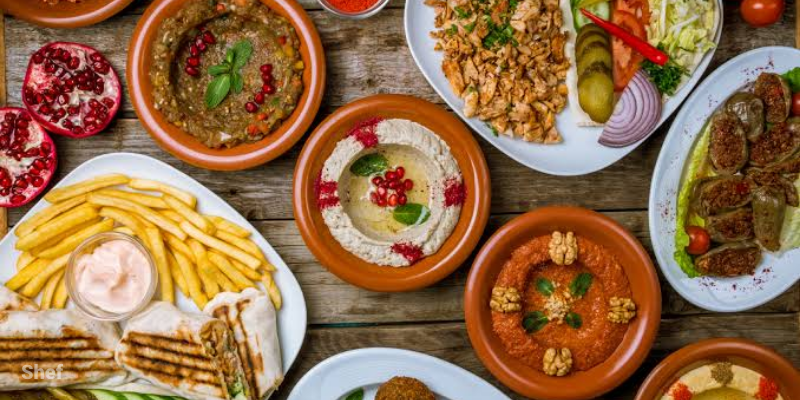
Middle Eastern options (increasingly common at corporate buffets):
- Hummus — blended chickpeas, tahini, olive oil, and lemon juice
- Kebabs — seekh, shish, or grilled chicken varieties
- Shawarma — seasoned sliced meat slow-cooked on a rotisserie, served in flatbread
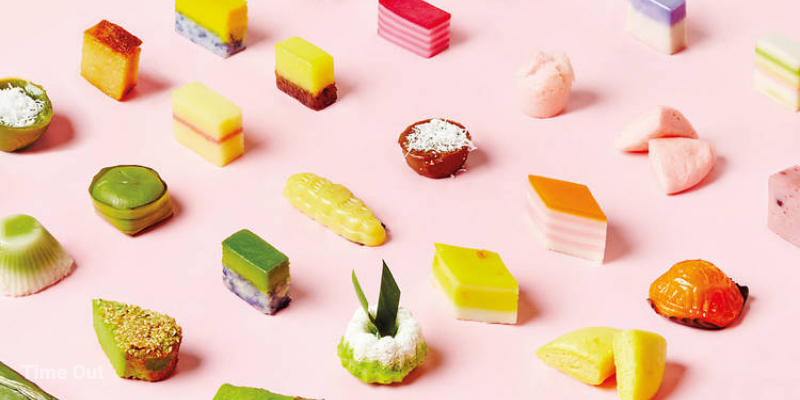
Desserts and beverages:
- Traditional kueh (Malay steamed cakes)
- Fruit platters
- Non-alcoholic beverages — juices, water, and cordials
At Intercontinental Catering, halal buffet spreads are available across multiple formats. Their Full Buffet Catering service includes a complete table layout with skirting, silk floral arrangements, food warmers, drink dispensers, and serving utensils — relevant for weddings, corporate dinners, and large celebrations. For smaller events, their Mini Buffet Catering format suits office lunches, seminars, and private gatherings. They also offer Hari Raya-specific buffet packages and High Tea packages (Menu A through D), the latter starting from $12.00 per pax (before GST) for Menu C with a minimum of 60 pax.
Choosing a Halal-Certified Caterer in Singapore
When evaluating caterers for a halal event, MUIS certification is the baseline — not a bonus. Beyond certification, the questions worth asking are:
- Do they prepare halal and non-halal food in the same kitchen? Shared kitchens require documented separation protocols to maintain compliance.
- What formats do they offer? Not every event suits a full buffet. Bento/packed meals work for seminars; live stations suit corporate product launches; mini buffets fit smaller office gatherings.
- Can they handle the guest count? Some packages have minimum pax requirements — Intercontinental Catering’s High Tea Menu C, for instance, requires a minimum of 60 pax.
- Do they deliver on public holidays? For Hari Raya and CNY catering specifically, delivery availability matters. Intercontinental Catering confirms they deliver every day, including public holidays (incntl.com.sg/faq/).
For events where the entire guest list requires halal food — institutional events, government functions, school catering, or Hari Raya celebrations — a MUIS-certified caterer with a dedicated halal kitchen eliminates the compliance risk entirely.
Key Takeaways
- Halal means permissible under Islamic law — it governs ingredients, preparation method, storage, and serving, not just the protein source
- Haram extends beyond pork and alcohol to include hidden additives like non-certified gelatin, animal enzymes, and alcohol-based extracts
- Dhabihah slaughter requires a Muslim slaughterer, the invocation of Allah’s name, a single swift cut, and complete blood drainage
- Singapore’s halal certification authority is MUIS — operating under MUIS-HC-S001 and MUIS-HC-S002, with the SFA as an additional regulatory layer
- Cross-contamination is the most common compliance failure — certified ingredients prepared on contaminated surfaces or with shared equipment become haram
- Popular halal buffet dishes in Singapore include Biryani, Nasi Goreng, Rendang, Satay, Hummus, Kebabs, and Samosas, drawing from Malay, Indian, and Middle Eastern food traditions
If you’re planning a halal-catered event in Singapore, start with the caterer’s MUIS certification, then match the format to your event type. Intercontinental Catering offers Full Buffet, Mini Buffet, High Tea, Bento/Packed Meals, Live Station, and Hari Raya-specific packages — all under MUIS certification. Visit incntl.com.sg or call 6242 1191 to check availability and package details for your event date.